


On claims devoid of Robust Logic: Statement by the Indian National Science Academy

Science relies and thrives on facts. INSA advocates the use of verifiable evidences in a logical manner to arrive at any inference.
Science relies and thrives on facts. INSA advocates the use of verifiable evidences in a logical manner to arrive at any inference.
ਵਿਗਿਅਾਨ ਕਾਂਗਰਸ ਪਿੱਛਲੇ ਸਾਲਾਂ ਵਿੱਚ ਅਾਪਣੇ ਮਕਸਦ ਤੋਂ ਭਟਕ ਚੁੱਕੀ ਹੈ। ਵਿਗਿਅਾਨੀ ੲਿਸ ਨਾਲ ਜੁੜਨ ਤੋਂ ਕਤਰਾੳੁਂਦੇ ਹਨ ਤੇ ੲਿੱਸ ਵਿੱਚ ਅਣਵਿਗਿਅਾਨਕ ਦਾਅਵੇ ਕੀਤੇ ਜਾ ਰਹੇ ਹਨ। ੲਿੱਸ ਮੰਚ ਨੂੰ 106 ਸਾਲ ਪਹਿਲਾਂ ਸ਼ੁਰੂ ਕਰਨ ਦਾ ਮਨਸ਼ਾ ਦੇਸ਼ ਵਿੱਚ ਵਿਗਿਅਾਨ ਦਾ ਪਸਾਰ ਕਰਨਾ ਸੀ। ਅੱਜ ੲਿੱਸ ਨੂੰ ਵਾਪਿਸ ਸਹੀ ਲੀਹਾਂ ਤੇ ਲਿਅਾੳੁਣ ਦੀ ਲੋੜ ਹੈ।
If the majority of the population starts believing in pseudoscience just because we chose to remain silent, and hence the society starts moving backwards, isn’t that is where the motto of practising science loses its meaning?
The Science Congress has moved away from its agenda of inculcating and nurturing scientific temper in society. The space provided by the event has been hijacked by the proponents of pseudo-science. They pretend that modern science already existed in ancient India. This is an injustice both to ancient civilisational knowledge systems as well as to modern science.
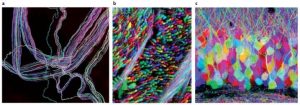
What is sci-art? Sci-art is science-inspired art form. Unlike science visualization, it may or may not represent scientific data and concepts in their most austere form. In fact, it may even enhance and (re)present the scientific knowledge by introducing artistic dimensions and provoking an engagement with the audience. Sci-art therefore deeply deals with the aspects of curiosity and exploration.
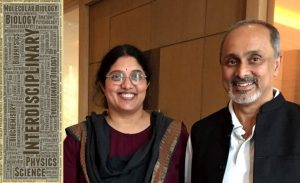
In this article on interdisciplinarity, Gautam Menon, theoretical physicist (The Institute of Mathematical Sciences, Chennai & Homi Bhabha National Institute, Mumbai) and Sandhya P Koushika, neurobiologist (Tata Institute of Fundamental Research, Mumbai) provide critical insights on tackling interdisciplinary problems, gained from decade of steadfast collaboration.
India experienced a Zika Outbreak thrice in the last two years. Vikram Thakur discusses the virus and what is being done to contain it.
At the moment, we are bowing too deeply at the altar of western science, and thereby turning the pursuit of science into dogma.
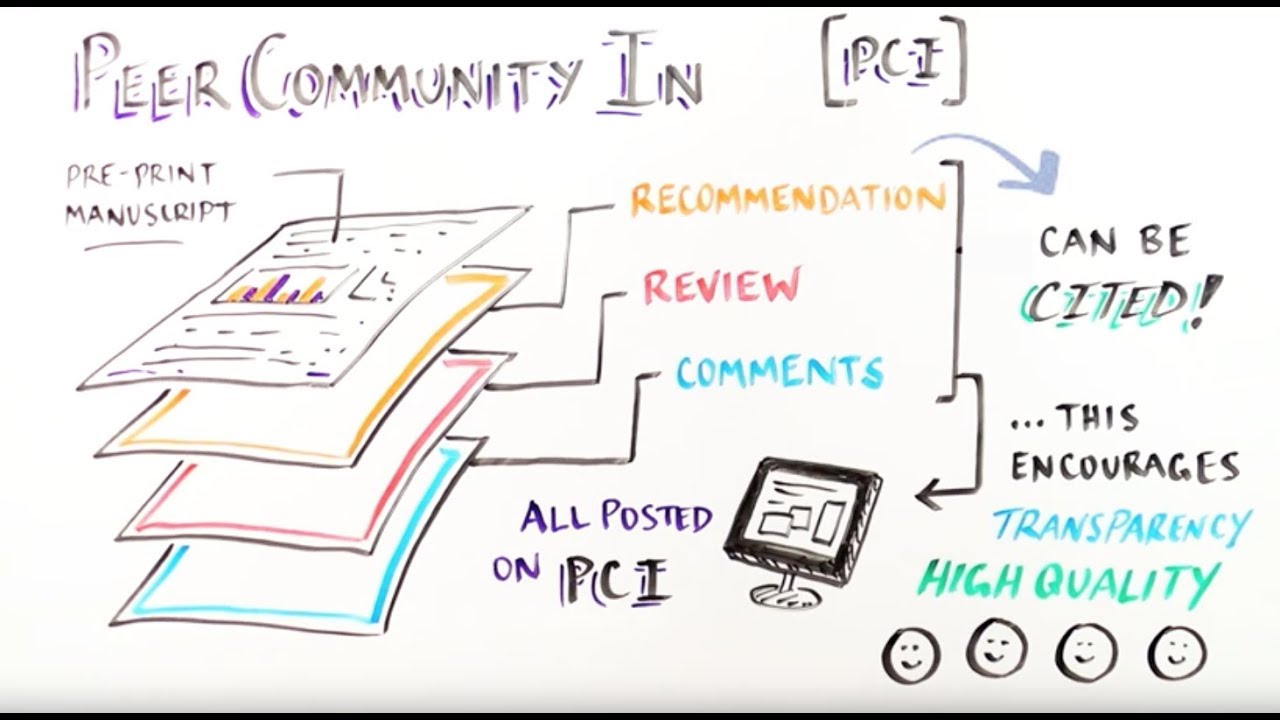
The current publication model for scientific papers is riddled with problems. But what can be an alternative? Thomas Guillemaud, Benoit Facon, François Massol and Denis Bourguet describe the pros and cons of the recently started PCI initiative that can potentially avoid some of the pitfalls of the present system.
What is the motivation for a scientist to pursue scientific research? Career? Fame? Doing something useful for the society? Or can there be something beyond?
In the spirit of collaboration, lets work together to improve science communication and journalism. The quality of the product can only improve by co-opting one of the paradigms in science that is worthwhile – the notion of review.
The National Institutional Ranking Framework of the Ministry of Human Resource Development shows that institutions funded by the Central Government occupy the pride of place in the higher education sector in India, followed by state universities and then by private universities. Autonomy, internal democracy, emphasis on merit in appointments and admissions, flexibility in administration, ability of faculty to attract research grants etc. are pre-requisites for eminence. These attributes, which are worth fighting for, exist to different extents in centrally funded institutions. It is unfair to treat public and private institutions as two separate categories of equal importance for identifying Institutions of Eminence. Private universities need to be encouraged, but not at the expense of publicly funded institutions which have done the nation proud and are acclaimed in India and abroad.
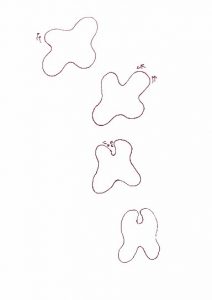
Most science communication workshops for scientists often focus on only the writing component. The visuals that are used alongside have not received similar attention with respect to their legibility.