


Capitalizing Genome: the Business of Direct-to-Consumer Genetic Testing in India

Shashank S Tiwari examines some of the ethical, social and regulatory issues linked to Direct To Consumer genetic tests in India.
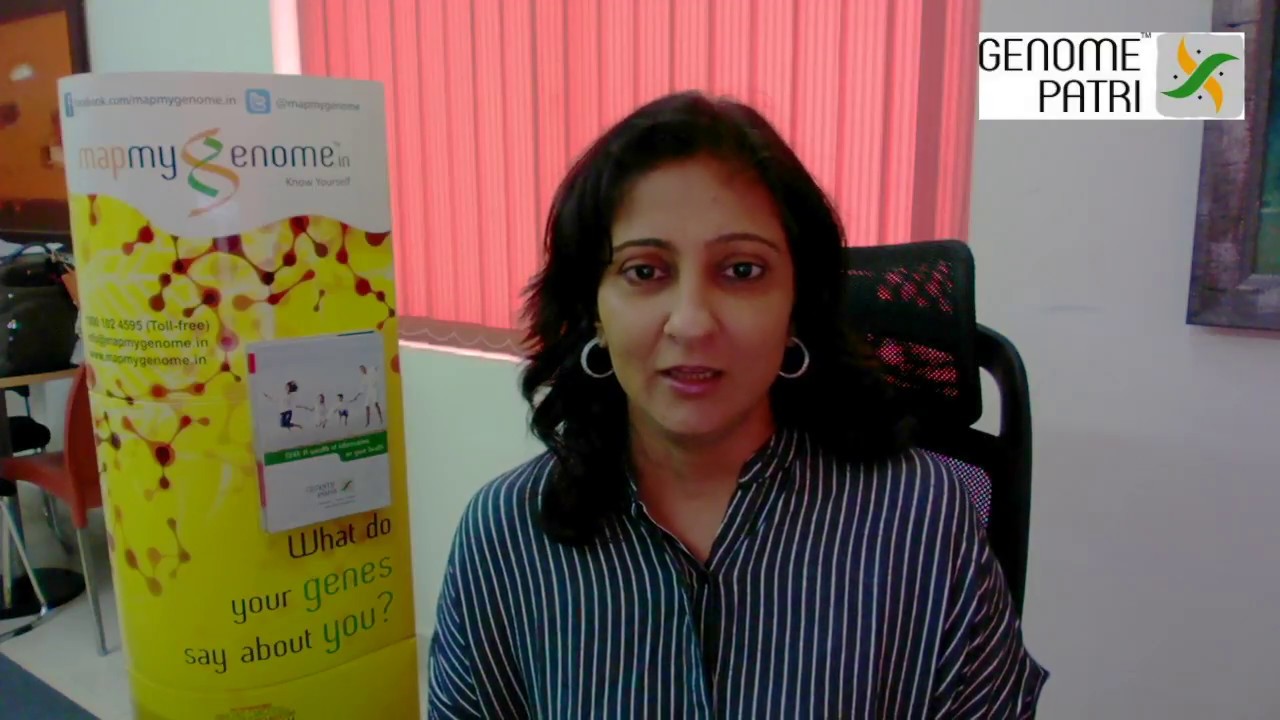
Shashank S Tiwari examines some of the ethical, social and regulatory issues linked to Direct To Consumer genetic tests in India.
L.S. Shahsidhara discusses the merits of Plan S and what we need to do to implement it properly and reduce misuse.
M. S. Santhanam examines the pros and cons of Plan S for Indian Academia.
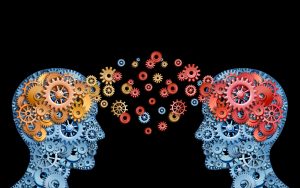
G. V. Pavan Kumar discusses the constructive role of unstructured conversations in scientific research.
The practice of authors or their funders paying for readers to read the work remains a fertile ground for may unwarranted practices and consequences.
In clinics and banks across the world gametes are stored in colour- coded vials, with utmost importance placed on racially matching recipients with gametes. Black parents get black eggs and sperms, and white parents get white gametes and no one raises an eyebrow. It’s only when black women choose white eggs or a white woman gets wrongly inseminated with black eggs and colour lines are crossed that the topic is deemed newsworthy.
Science relies and thrives on facts. INSA advocates the use of verifiable evidences in a logical manner to arrive at any inference.
ਵਿਗਿਅਾਨ ਕਾਂਗਰਸ ਪਿੱਛਲੇ ਸਾਲਾਂ ਵਿੱਚ ਅਾਪਣੇ ਮਕਸਦ ਤੋਂ ਭਟਕ ਚੁੱਕੀ ਹੈ। ਵਿਗਿਅਾਨੀ ੲਿਸ ਨਾਲ ਜੁੜਨ ਤੋਂ ਕਤਰਾੳੁਂਦੇ ਹਨ ਤੇ ੲਿੱਸ ਵਿੱਚ ਅਣਵਿਗਿਅਾਨਕ ਦਾਅਵੇ ਕੀਤੇ ਜਾ ਰਹੇ ਹਨ। ੲਿੱਸ ਮੰਚ ਨੂੰ 106 ਸਾਲ ਪਹਿਲਾਂ ਸ਼ੁਰੂ ਕਰਨ ਦਾ ਮਨਸ਼ਾ ਦੇਸ਼ ਵਿੱਚ ਵਿਗਿਅਾਨ ਦਾ ਪਸਾਰ ਕਰਨਾ ਸੀ। ਅੱਜ ੲਿੱਸ ਨੂੰ ਵਾਪਿਸ ਸਹੀ ਲੀਹਾਂ ਤੇ ਲਿਅਾੳੁਣ ਦੀ ਲੋੜ ਹੈ।
If the majority of the population starts believing in pseudoscience just because we chose to remain silent, and hence the society starts moving backwards, isn’t that is where the motto of practising science loses its meaning?
The Science Congress has moved away from its agenda of inculcating and nurturing scientific temper in society. The space provided by the event has been hijacked by the proponents of pseudo-science. They pretend that modern science already existed in ancient India. This is an injustice both to ancient civilisational knowledge systems as well as to modern science.
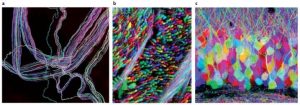
What is sci-art? Sci-art is science-inspired art form. Unlike science visualization, it may or may not represent scientific data and concepts in their most austere form. In fact, it may even enhance and (re)present the scientific knowledge by introducing artistic dimensions and provoking an engagement with the audience. Sci-art therefore deeply deals with the aspects of curiosity and exploration.
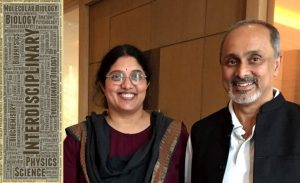
In this article on interdisciplinarity, Gautam Menon, theoretical physicist (The Institute of Mathematical Sciences, Chennai & Homi Bhabha National Institute, Mumbai) and Sandhya P Koushika, neurobiologist (Tata Institute of Fundamental Research, Mumbai) provide critical insights on tackling interdisciplinary problems, gained from decade of steadfast collaboration.
India experienced a Zika Outbreak thrice in the last two years. Vikram Thakur discusses the virus and what is being done to contain it.